Optical transmission hardware integration one-stop service provider

Views: 0 Author: Site Editor Publish Time: 2026-06-30 Origin: Site
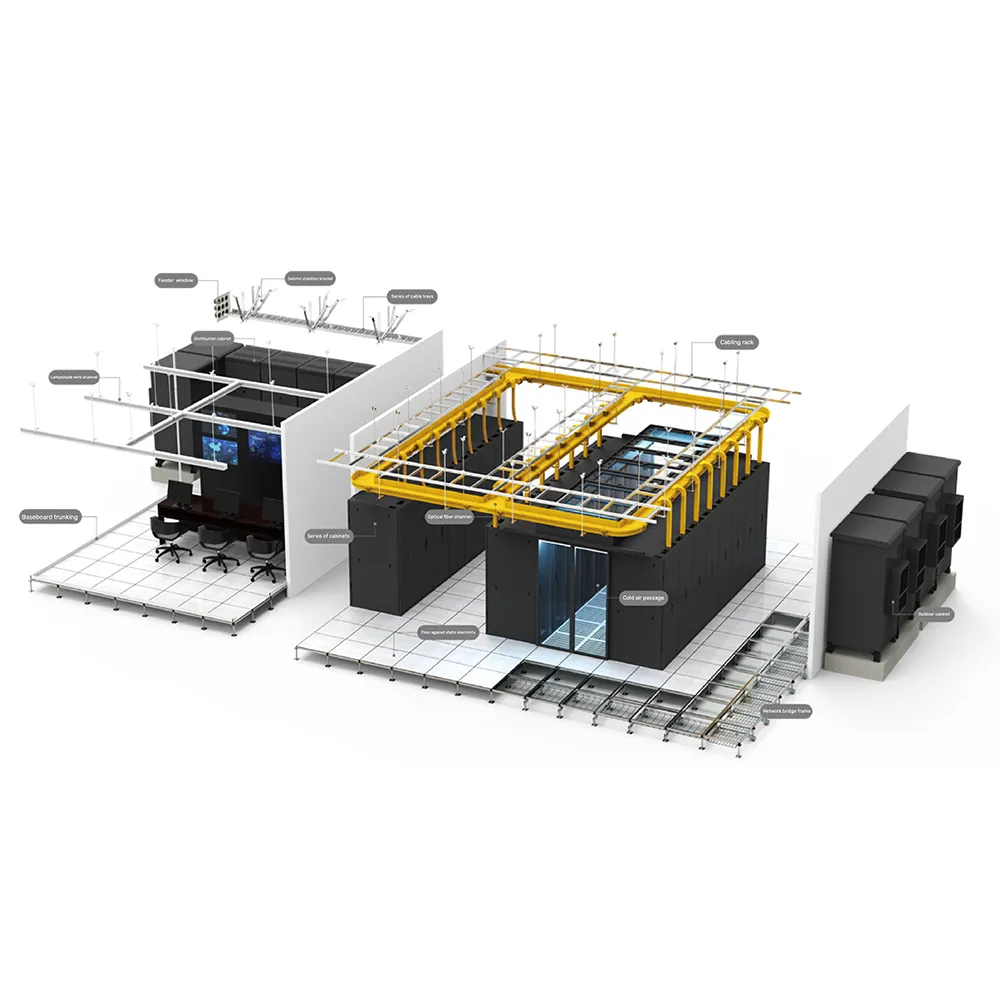
Unlike traditional concrete structures, this data center utilizes a factory-prefabricated, high-strength structural steel frame. Inside this robust shell sits a "Smart Module"—a fully integrated system combining power distribution, precision cooling, racks, cabling, and monitoring into a cohesive containment system.
The structural steel design allows for rapid assembly, excellent seismic resistance, and a highly customizable internal footprint. This approach turns a complex construction project into a predictable, plug-and-play engineering deployment.
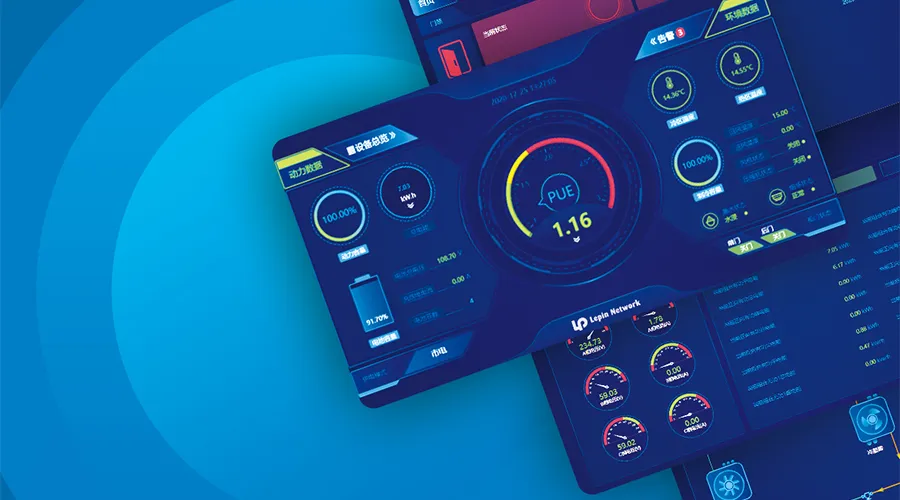
Power Usage Effectiveness (PUE) is the gold standard for measuring data center energy efficiency. A PUE of 1.0 represents perfect efficiency, where every watt of power goes directly to the IT equipment.
Achieving a PUE of 1.3 means that for every 100W of power consumed by your servers, only 30W is spent on overhead infrastructure like cooling and lighting. In modern data center management, a PUE of 1.3 is a highly efficient benchmark that delivers massive benefits:
Drastic Opex Reduction: Lowering your PUE from a typical industry average of 1.6 or 1.7 down to 1.3 saves hundreds of thousands of dollars annually in electricity costs.
Regulatory Compliance: Governments worldwide are enforcing strict environmental policies, often mandating PUE thresholds below 1.4 for new data center construction.
Carbon Footprint Reduction: Lower power consumption directly translates to fewer carbon emissions, aligning your IT operations with corporate sustainability goals.
1. Rapid Deployment and Time-to-Market
Because the steel structural components and internal smart modules are prefabricated in a controlled factory environment, site preparation and system manufacturing happen concurrently. This parallel workflow reduces total deployment time by up to 50% compared to traditional builds.
2. Advanced Cooling Efficiency
Achieving a 1.3 PUE requires eliminating wasted cooling capacity. This smart module utilizes hot or cold aisle containment combined with in-row precision air conditioning. By sealing the airflow, the system ensures cold air goes precisely where it is needed, preventing the mixing of hot and cold air streams.
3. Smart, Centralized Management (DCIM)
The "smart" element comes from an integrated Data Center Infrastructure Management (DCIM) system. This software provides real-time monitoring of power distribution, temperature, humidity, and security across the entire module, automatically optimizing cooling loops to maintain the 1.3 PUE baseline.
4. Structural Resilience and Scalability
High-grade steel construction ensures exceptional structural integrity, offering excellent fire, water, and seismic resistance. Furthermore, the modular nature allows you to deploy what you need today and seamlessly add more steel modules as your data capacity grows.
Edge Data Centers: Ideal for regional nodes that need to be deployed quickly near urban centers.
Enterprise Private Clouds: Perfect for medium-to-large enterprises upgrading legacy infrastructure to a green footprint.
Colocation Expansion: Enables colocation providers to rapidly add discrete, highly efficient capacity for premium tenants.